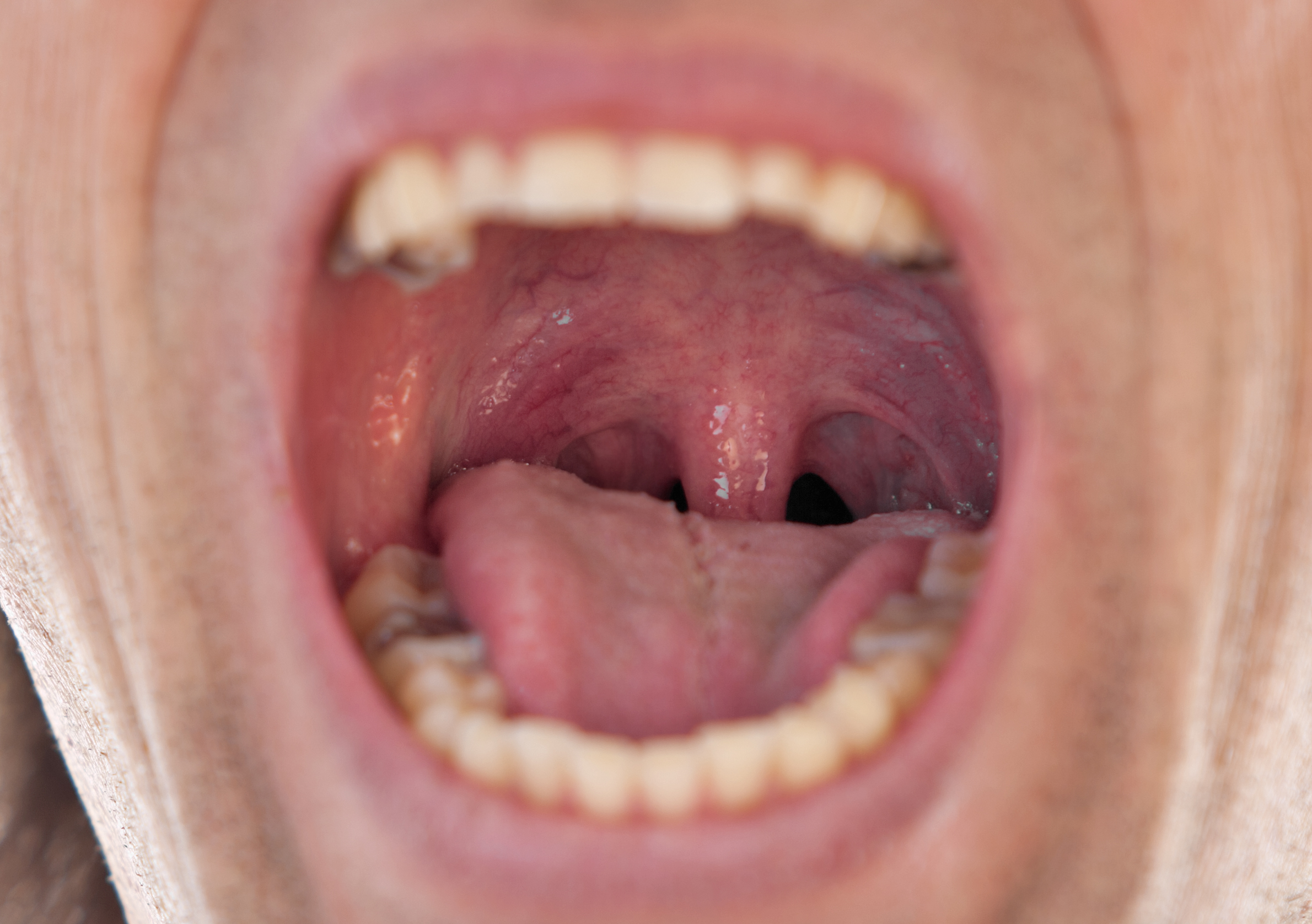
Lingual nerve damage can feel unsettling, especially when symptoms affect your tongue, speech, or sense of taste. Many patients describe the sensation as unusual or difficult to explain at first. Because the lingual nerve is responsible for sensation in parts of the tongue, injury to this nerve can interfere with normal daily activities such as eating and speaking.
At the San Diego Center for Oral & Maxillofacial Surgery, patients with suspected nerve injuries receive detailed evaluation and personalized care. Dr. Joel Berger, D.D.S., M.D., is a board-certified Oral and Maxillofacial Surgeon with extensive experience treating complex oral conditions, including lingual nerve injuries related to extractions, trauma, or oral surgery.
Common Symptoms of Lingual Nerve Damage
The symptoms of lingual nerve injury can vary depending on the severity of the damage. Some patients notice symptoms immediately after a dental procedure, while others become aware of changes gradually.
Common symptoms include:
- Numbness on one side of the tongue
- Tingling or “pins and needles” sensations
- Burning or altered sensation
- Changes in taste perception
- Difficulty sensing temperature or texture
Some patients also report feeling that their tongue is swollen even when it appears normal.
What Causes Lingual Nerve Injury?
Lingual nerve damage is most commonly associated with procedures involving the lower jaw, particularly wisdom teeth removal. Because the nerve is located near the lower molar region, irritation or injury can occasionally occur during surgery or trauma.
Other possible causes include:
- Dental extractions
- Facial trauma
- Local anesthetic injections
- Infection or inflammation near the nerve
Not every nerve irritation is permanent, but persistent symptoms should be evaluated promptly.
When Should You Seek Evaluation?
Temporary numbness may improve as the nerve heals, but ongoing symptoms should not be ignored. Early evaluation allows an oral and maxillofacial surgeon to assess the extent of the injury and determine whether monitoring or surgical repair may be beneficial.
Advanced imaging and clinical testing can help determine whether the nerve has been compressed, stretched, or, more significantly, damaged.
Take the Next Steps
Changes in tongue sensation can affect your comfort and quality of life, but specialized evaluation can help clarify the cause and available treatment options. Early assessment is especially important when your symptoms persist or interfere with daily function.
If you are experiencing numbness, tingling, or altered sensation in your tongue, contact the San Diego Center for Oral & Maxillofacial Surgery in San Diego at (858) 292-5175. With advanced surgical training in nerve repair and oral surgery, Dr. Berger provides expert evaluation focused on restoring function and comfort.