
At The San Diego Center for Surgery, we understand how transformative corrective jaw surgery can be in restoring both function and confidence. Our compassionate and expert team is dedicated to providing you with the highest standard of care, ensuring your journey is as comfortable and smooth as possible.
Jaw misalignment can lead to chronic discomfort, compromised chewing and speaking abilities, and even long-term dental issues. Without intervention, these problems may progress, resulting in severe conditions like TMJ disorders and obstructive sleep apnea. While non-surgical options might offer short-term relief, corrective jaw surgery addresses the core structural issues, providing lasting improvement.
If you or a loved one is facing difficulties due to jaw misalignment, contact The San Diego Center for Surgery today. Dr. Joel Berger is a leader in corrective jaw surgery in San Diego, CA, offer personalized care with cutting-edge surgical techniques.
What Is Corrective Jaw Surgery?
Corrective jaw surgery, or orthognathic surgery, involves repositioning the upper jaw, lower jaw, or both to correct significant skeletal discrepancies. These can stem from developmental issues, trauma, or congenital conditions. When orthodontics alone falls short, this surgery is the definitive approach to restoring alignment and function.
Recommended for severe overbites, underbites, open bites, facial asymmetry, or receding chins, this procedure also significantly alleviates symptoms of sleep apnea and TMJ disorders linked to improper jaw positioning.
Conditions Treated by Jaw Surgery
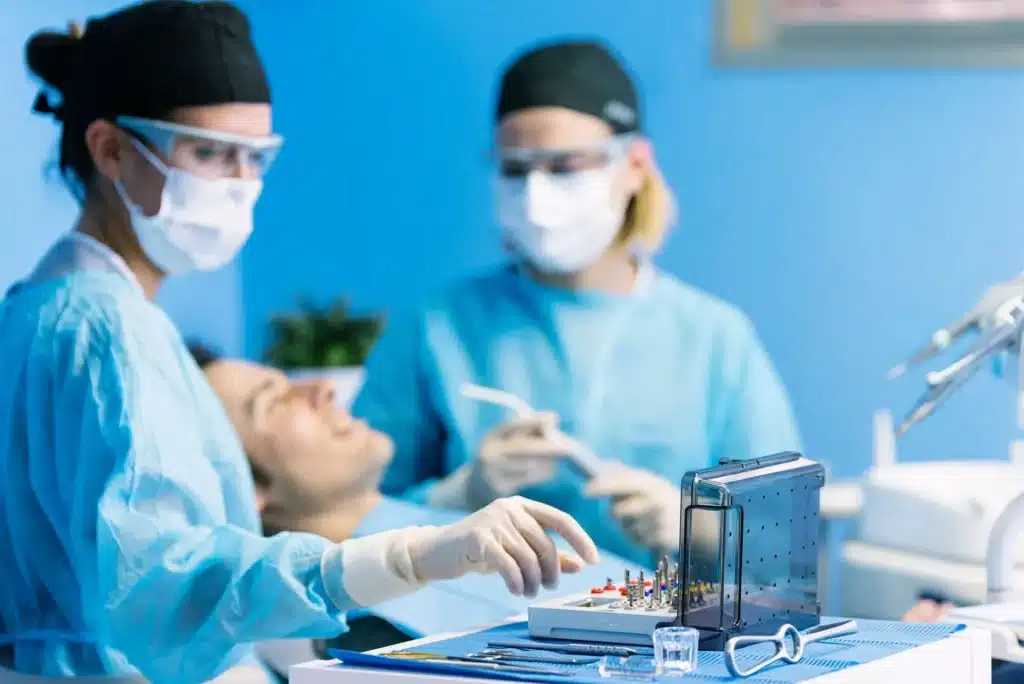
Our experienced surgeons at The San Diego Center for Surgery diagnose and manage a wide range of complex craniofacial conditions, including:
- Chronic jaw pain and TMJ dysfunction
- Difficulty biting, chewing, or speaking
- Sleep apnea related to jaw structure
- Facial asymmetry or imbalance
- Congenital deformities such as cleft palate sequelae
- Trauma-related jaw deformities
By addressing the skeletal framework, corrective jaw surgery in San Diego not only enhances aesthetics but also resolves functional limitations. Patients often notice immediate improvements in breathing, speech, and chewing efficiency post-surgery.
The Corrective Jaw Surgery Process
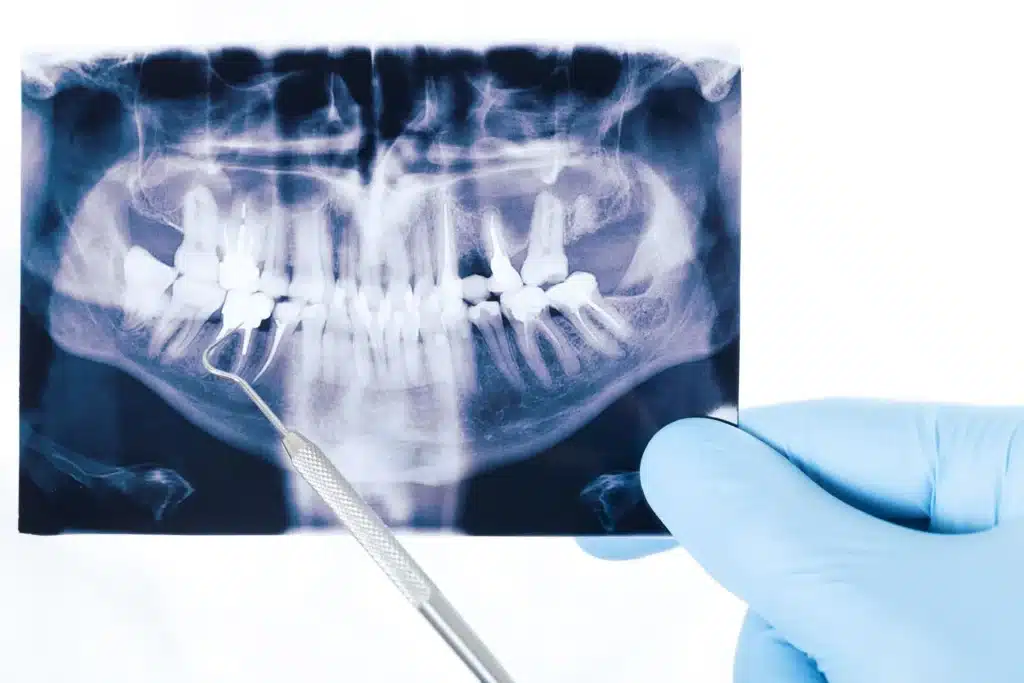
Our comprehensive treatment process begins with a detailed diagnostic workup, including 3D imaging, dental impressions, and cephalometric analysis. Our surgeons collaborate closely with orthodontists to ensure optimal surgical outcomes through pre-surgical tooth alignment.
Performed under general anesthesia, the surgery involves careful sectioning and repositioning of the jawbones, secured with plates and screws. The procedure is typically conducted within the oral cavity to minimize visible scarring. Most patients require a one to two-day hospital stay for monitoring.
Benefits of Corrective Jaw Surgery
Undergoing jaw surgery offers transformative benefits:
- Improved Oral Function: Restores the ability to chew, speak, and breathe properly.
- Pain Relief: Alleviates chronic TMJ pain and headaches due to malocclusion.
- Enhanced Airway: Reduces or eliminates obstructive sleep apnea symptoms.
- Facial Aesthetics: Achieves balanced, harmonious facial proportions.
- Long-Term Dental Health: Prevents abnormal tooth wear and periodontal strain.
These outcomes significantly enhance quality of life, offering both medical necessity and aesthetic refinement.
Restore Your Jaw Function and Confidence!
Don’t let jaw misalignment impact your life any longer. The San Diego Center for Surgery is here to provide expert corrective jaw surgery, combining surgical precision with patient-focused care. Contact us at 858-292-5175 today to schedule your consultation and take the first step toward lasting relief and improved facial harmony.
Corrective Jaw Surgery FAQs
Not all jaw alignment issues require surgery. Mild cases can often be managed with orthodontics alone. However, if your condition involves significant bite problems, facial imbalance, or difficulty with chewing, speaking, or breathing, surgery may be recommended. A detailed evaluation, including imaging and functional assessment, helps determine whether orthognathic surgery is appropriate.
In most cases, orthodontic treatment is an important part of the process. Braces are typically used before surgery to align the teeth so the jaws can be repositioned correctly. After surgery, additional orthodontic adjustments refine your bite for optimal function and long-term stability. Coordination between your orthodontist and surgeon ensures the best possible outcome.
The length of surgery depends on the complexity of the case and whether one or both jaws are being repositioned. Most procedures take several hours and are performed under general anesthesia. Your surgical plan is carefully developed in advance, allowing the procedure to be performed efficiently and with precision.
Corrective jaw surgery often improves facial balance by addressing the underlying skeletal structure. Changes may include improved symmetry, better jaw projection, and a more harmonious profile. While the primary goal is functional improvement, many patients also notice positive aesthetic changes.
Initial recovery typically occurs over the first few weeks, with swelling gradually improving. However, full healing and stabilization of the jaw can take several months. During recovery, you will follow a structured plan that includes dietary modifications and follow-up visits to monitor progress.
Your diet will be modified during the early stages of recovery to protect the surgical site. Usually, you will begin with soft or liquid foods and gradually return to a more normal diet as healing progresses. Detailed guidance is provided to help you maintain nutrition while supporting recovery.
Yes, in some cases. Jaw misalignment can contribute to airway restriction. By repositioning the jaw, orthognathic surgery may improve airflow and reduce symptoms associated with obstructive sleep apnea or breathing difficulties. This is evaluated on an individual basis.
As with any surgical procedure, considerations like risks are discussed during your consultation. Careful planning, advanced imaging, and surgical expertise are used to minimize risks and support predictable outcomes. Dr. Berger will review all aspects of your case in detail so you can make an informed decision.
Preparation includes a comprehensive evaluation, imaging, and coordination with your orthodontist. You may also receive specific instructions related to medications, diet, and general health before surgery. Following these guidelines helps ensure a smooth procedure and recovery.
Most patients plan to take time off during the initial recovery period, which typically lasts a couple of weeks. The exact timing depends on the complexity of your procedure and how quickly you heal. Dr. Berger provides personalized guidance to help you safely and appropriately plan your return to normal activities.