What Is a Lingual Nerve Injury?
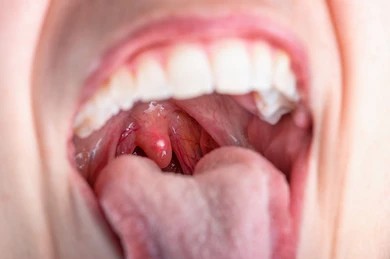
- Numbness or reduced sensation in your tongue
- Tingling or burning sensations
- Altered or lost sense of taste
- Difficulty speaking or chewing comfortably
While some nerve injuries may improve on their own, others require specialized surgical intervention to optimize recovery.
Importance of Early Evaluation
Timing plays a critical role in nerve healing. Early assessment allows Dr. Berger to determine the extent of your injury and whether observation, medical management, or surgical repair is appropriate. Advanced diagnostic tools and clinical evaluation help identify whether the nerve is bruised, compressed, or severed.
Prompt referral to a specialist experienced in nerve repair can significantly impact long-term outcomes.
Treatment Options for Lingual Nerve Damage
Treatment depends on the severity and type of injury. At the San Diego Center for Oral & Maxillofacial Surgery, care is personalized and may include:
- Conservative monitoring for mild injuries showing signs of recovery
- Microsurgical nerve repair to reconnect damaged nerve ends
- Nerve grafting when a segment of the nerve must be reconstructed
- Scar tissue release if compression is affecting nerve function
Microsurgical techniques are performed using magnification and delicate instruments to maximize precision and support nerve regeneration.
How Lingual Nerve Injuries May Be Treated
| Type of Nerve Injury | What May Be Happening | Potential Treatment Approach |
| Mild Nerve Irritation | The nerve may be temporarily irritated, stretched, or bruised but remains intact. | Monitoring may be appropriate when sensation is gradually returning. |
| Nerve Compression | Scar tissue or surrounding structures may be placing pressure on the nerve. | Evaluation may determine whether scar tissue release or another intervention could improve nerve function. |
| Partial Nerve Injury | Some nerve fibers may be damaged, resulting in persistent numbness, tingling, burning, or altered sensation. | Microsurgical repair may be considered based on the location, severity, and timing of the injury. |
| Complete Nerve Injury | The nerve has sustained significant damage or has been severed. | Microsurgical reconnection may be performed when appropriate. |
| Nerve Injury With a Gap | Damaged nerve tissue may leave a gap that prevents the ends from being reconnected directly. | Nerve grafting may be used to bridge the damaged area and support regeneration. |
Lingual Nerve Injury Recovery and Expected Outcomes
Why Choose the San Diego Center for Oral & Maxillofacial Surgery for Lingual Nerve Injury Treatment?
Treating nerve injuries requires specialized expertise and experience. Dr. Joel Berger’s dual training in dentistry and medicine allows him to manage complex nerve conditions with a comprehensive understanding of facial anatomy and function.
Patients choose the San Diego Center for Oral & Maxillofacial Surgery because of its:
- Board-certified surgeon with advanced nerve repair training
- Focus on patient comfort, safety, and clear communication
- Personalized treatment plans tailored to each patient’s needs
- Strong relationships with referring dentists and medical providers
- Experience managing complex and time-sensitive nerve injuries.
The practice is trusted by both patients and referring providers for its thoughtful, meticulous approach to care.
Take the Next Step Toward Healing
Lingual nerve injuries can significantly affect daily life, but specialized treatment may help restore sensation and comfort. Early evaluation by an experienced oral and maxillofacial surgeon is essential for achieving the best possible outcome.
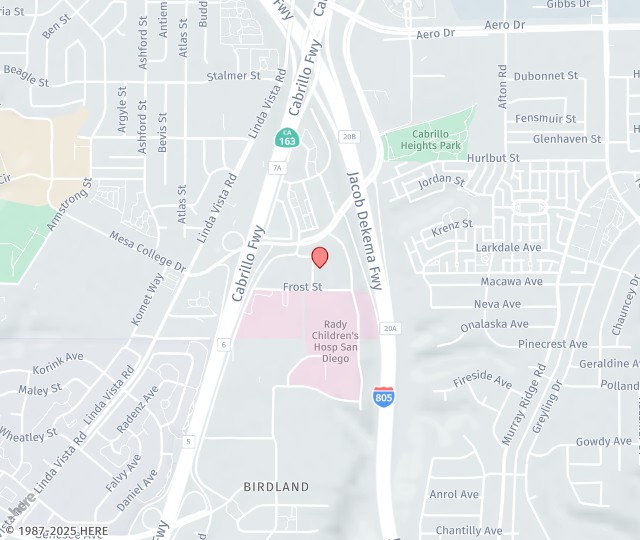
To learn more about lingual nerve injury treatment in San Diego, contact the San Diego Center for Oral & Maxillofacial Surgery at 858-292-5175 to request a consultation.